Start with assessment and authorisation.
Photos support an initial discussion, but inspection may change the scope. Establish when the van needs to be seen, what can be assessed beforehand and who will approve the work. A provisional estimate or preferred date is not a confirmed booking or completion promise.
Parts availability can change the sequence.
A required door, bumper or fitting must match the specification and meet the relevant condition and safety requirements. A suitable reclaimed OEM option is not guaranteed to be available. Ask when availability will be confirmed and how alternatives would affect the plan, rather than assuming an advertised component is ready to fit.
Preparation and refinishing take more than fitting time.
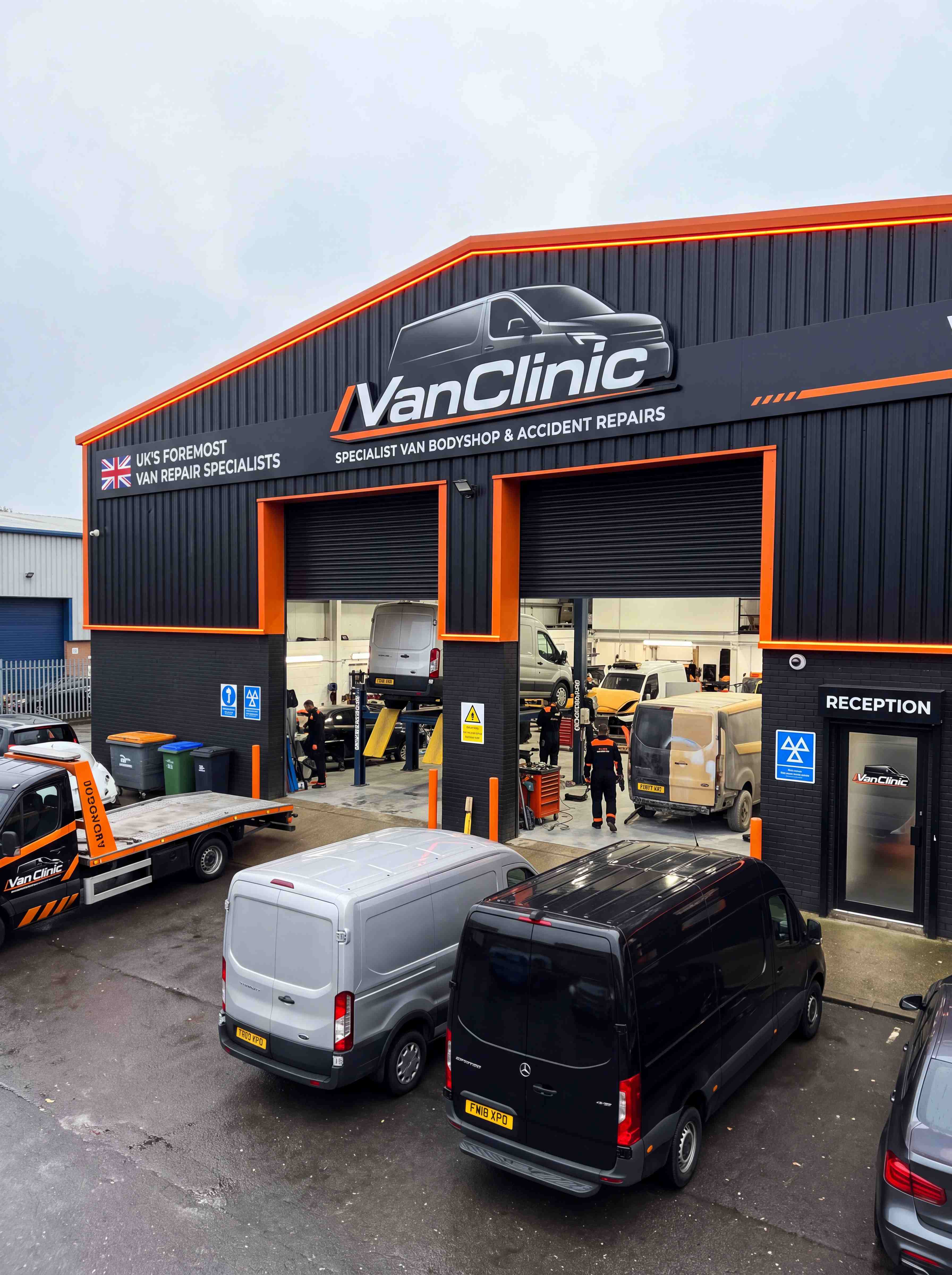
Removal and refitting, access around equipment, preparation and the appropriate paint process are part of the work. Do not assume that a short-looking scratch means an immediate handover. Discuss the actual damaged area and intended finish so the proposed schedule reflects the complete job.
Tell the bodyshop what your business needs.
Explain essential operating dates, where the van will be available and whether it is safe to move. For several vehicles, state which can be released together and which must remain available. A staged fleet plan can be discussed, but availability and collection suitability still need confirmation for each vehicle.
- Give a handover contact and the vehicle’s actual postcode.
- Identify the person authorised to approve changes.
- Agree how scheduling updates and the final handover will be communicated.
Confirm the handover rather than arriving on an assumption.
Ask what must be completed before the van is released, including agreed checks and any finish-care advice relevant to the work. Confirm collection or workshop attendance before travelling. Courtesy vehicles, recovery and guaranteed completion times should not be assumed to be included in a bodywork repair.